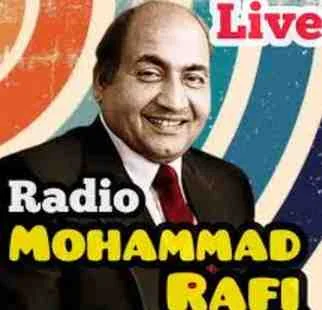
Mohammad Rafi Bengali FM is a dedicated online radio station celebrating the unforgettable Bengali songs sung by the legendary playback singer Mohammad Rafi. Known across India and beyond for his versatile and soulful voice, Rafi left a lasting mark not only in Hindi cinema but also in Bengali music. This 24/7 digital stream honors his timeless contributions by bringing together romantic classics, devotional gems, and golden-era Bengali film songs for listeners worldwide.
For music lovers who cherish nostalgia and pure vocal excellence, Mohammad Rafi Bengali FM offers a continuous journey into the golden era of Indian cinema and music. Whether you grew up listening to his songs or are discovering them for the first time, this station keeps his Bengali legacy alive in the digital age.
🌟 A Tribute to a Legendary Voice
Mohammad Rafi was known for his ability to convey deep emotion through melody. His Bengali songs reflect the same passion and technical brilliance that made him a household name. From soft romantic ballads to powerful devotional compositions, his voice carried warmth, sincerity, and unmatched expression.
Mohammad Rafi Bengali FM carefully curates these memorable tracks, ensuring that listeners experience the magic of his voice throughout the day. Each song is a reminder of a time when melody and lyrics blended seamlessly to create lasting musical impressions.
🎵 Romantic Classics & Golden-Era Film Songs
The station features a rich collection of romantic Bengali classics that evoke nostalgia and timeless charm. These songs capture the essence of love and longing with gentle orchestration and heartfelt lyrics.
Golden-era Bengali film songs form a central part of the playlist. These cinematic melodies represent a golden chapter in regional music history, when storytelling and musical craftsmanship were at their peak. By streaming these songs around the clock, Mohammad Rafi Bengali FM preserves a precious musical heritage.
🙏 Devotional & Spiritual Melodies
In addition to romantic hits, the station includes devotional and spiritual compositions sung by Mohammad Rafi in Bengali. These songs bring a sense of peace and reflection, making them perfect for early mornings or quiet evenings.
Listeners seeking comfort, inspiration, or spiritual calm will find these timeless tracks deeply moving and meaningful.
🌍 Listen Anywhere, Anytime
Mohammad Rafi Bengali FM is accessible worldwide through seamless online streaming. Whether you are using a smartphone, tablet, laptop, or desktop, tuning in is simple and convenient. The station ensures uninterrupted playback so that you can immerse yourself in classic Bengali melodies without distraction.
⭐ Why Choose Mohammad Rafi Bengali FM?
- 24/7 live streaming of Mohammad Rafi’s Bengali songs
- Romantic classics and golden-era film melodies
- Devotional and spiritual compositions
- Nostalgic listening experience for all generations
- High-quality worldwide online access
Mohammad Rafi Bengali FM is more than just a radio station — it is a tribute to a legendary voice that shaped the musical landscape of India. By dedicating a platform exclusively to his Bengali songs, the station keeps his artistry alive for future generations.
Tune in today to Mohammad Rafi Bengali FM and rediscover the magic, emotion, and timeless beauty of one of music’s greatest voices — streaming live 24 hours a day for listeners around the globe.
 Agartala FM
 Air Bangla FM
 Silichar FM
 Siliguri FM
 Assamese FM
 Blair FM
 Foorti FM
 Geetanjali FM
 High FM
 Malda FM
 Mohammad Rafi FM
 ABC FM
 Bhoot FM
 Bhumi FM
 Bushra FM
 Clemon FM
 FNF FM
 Gaan Baksho FM
 Geet FM
 Goongoon FM
 Hemel FM
 Hotnow FM
 Karatao FM
 Mahananda FM
 Maitree FM
 Mixify FM
 Relaks FM
 Sagun FM
 Shadhin FM
 Shantiniketan FM
 Bakthi FM
 Jesus Hits
 Dawah FM